According to the Sangam classic
Purananuru, the
Chera king
Senkuttuvan conquered the lands between
Kanyakumari and the
Himalayas.
[26] Lacking worthy enemies, he besieged the sea by throwing his spear into it.
[26][27] According to the 17th century
Malayalam work
Keralolpathi, the lands of Kerala were recovered from the sea by the axe-wielding warrior sage
Parasurama, the sixth
avatar of
Vishnu (hence, Kerala is also called
Parasurama Kshetram 'The Land of Parasurama'
[28]). Parasurama threw his axe across the sea, and the water receded as far as it reached. According to legend, this new area of land extended from
Gokarna to
Kanyakumari.
[29] The land which rose from sea was filled with salt and unsuitable for habitation; so Parasurama invoked the Snake King
Vasuki, who spat holy poison and converted the soil into fertile lush green land. Out of respect, Vasuki and all snakes were appointed as protectors and guardians of the land.
P. T. Srinivasa Iyengar theorised, that
Senguttuvan may have been inspired by the
Parasurama legend, which was brought by early Aryan settlers.
[30]
Another much earlier
Puranic character associated with Kerala is
Mahabali, an
Asura and a prototypical just king, who ruled the earth from Kerala. He won the war against the
Devas, driving them into exile. The Devas pleaded before Lord
Vishnu, who took his fifth incarnation as
Vamana and pushed Mahabali down to
netherworld to placate the Devas. There is a belief that, once a year during the
Onam festival, Mahabali returns to Kerala.
[31] The
Matsya Purana, among the oldest of the 18
Puranas,
[32][33] uses the
Malaya Mountains of Kerala (and
Tamil Nadu) as the setting for the story of
Matsya, the first
incarnation of Vishnu, and
Manu, the first man and the king of the region.
[34][35]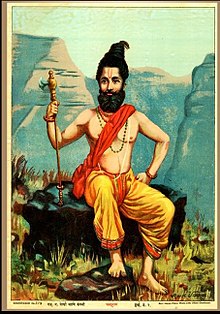

Comments
Post a Comment